The Government of Spain publishes the AI Atlas, a collection of policies, milestones and results in artificial intelligence
The AI Atlas presents Spain’s artificial intelligence ecosystem and outlines the main initiatives promoted by the Government of Spain, as well as the results achieved in this field.
- 03/09/2026 13:44
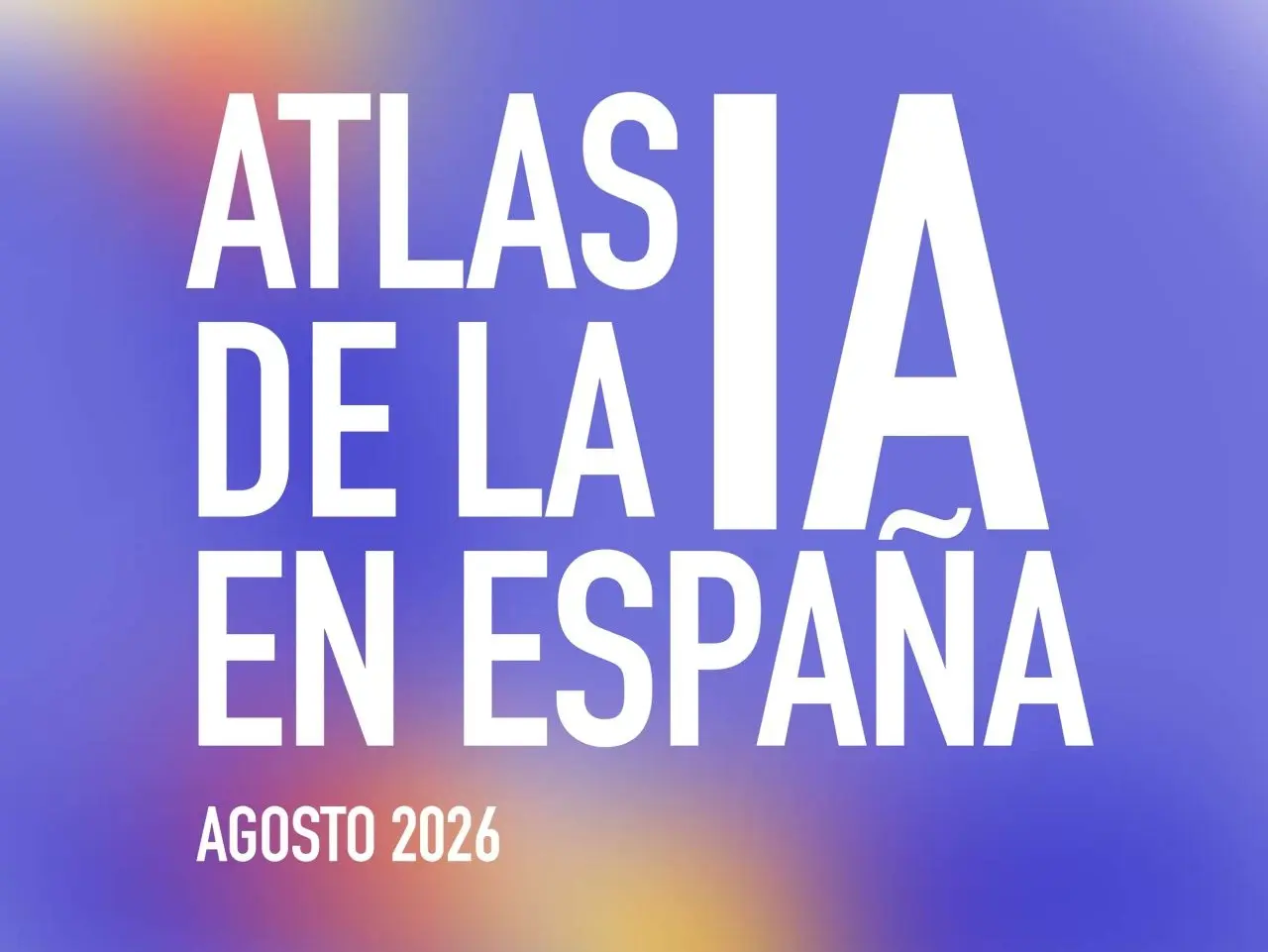
The Government of Spain has published the AI Atlas, a document that reviews and analyses the current state of artificial intelligence (AI) in Spain and sets out the main measures adopted and the results of the public policies promoted in this area.
The Atlas highlights that Spain has a strong and advanced AI ecosystem, recognised both nationally and internationally. According to Stanford University’s Global AI Vibrancy Tool, Spain ranks 7th in the global absolute ranking. The document also highlights the country’s strengths in areas such as AI adoption, talent, governance, public procurement and infrastructure.
Key milestones include the creation of the Spanish Agency for the Supervision of Artificial Intelligence (AESIA), the first European public agency specifically dedicated to AI oversight; the European Union’s first AI regulatory sandbox, a testing environment that allows companies and organisations to develop and validate AI systems within a controlled framework before they are placed on the market; and ALIA, a family of open, publicly developed language models developed in Europe, with models specifically adapted to the State’s official languages.
The Atlas also highlights that Spain has two AI Factories, at the Barcelona Supercomputing Center (BSC) and the Galicia Supercomputing Center (CESGA), as well as investments in training and strategic sectors such as supercomputing and semiconductors. In addition, programmes have been promoted to facilitate the adoption of AI by companies and public administrations.
Overall, the AI Atlas provides a comprehensive overview of the evolution of AI in Spain and the measures being implemented to consolidate the country as one of Europe’s leading AI ecosystems.
You can consult the AI Atlas here.
You may also be interested in